Article
UK Business Confidence Falls Before Every Budget. The Waiting Costs Owners More Than the Tax
Topic · Owner payoff and profit · 3 min read · Published 28.10.2026
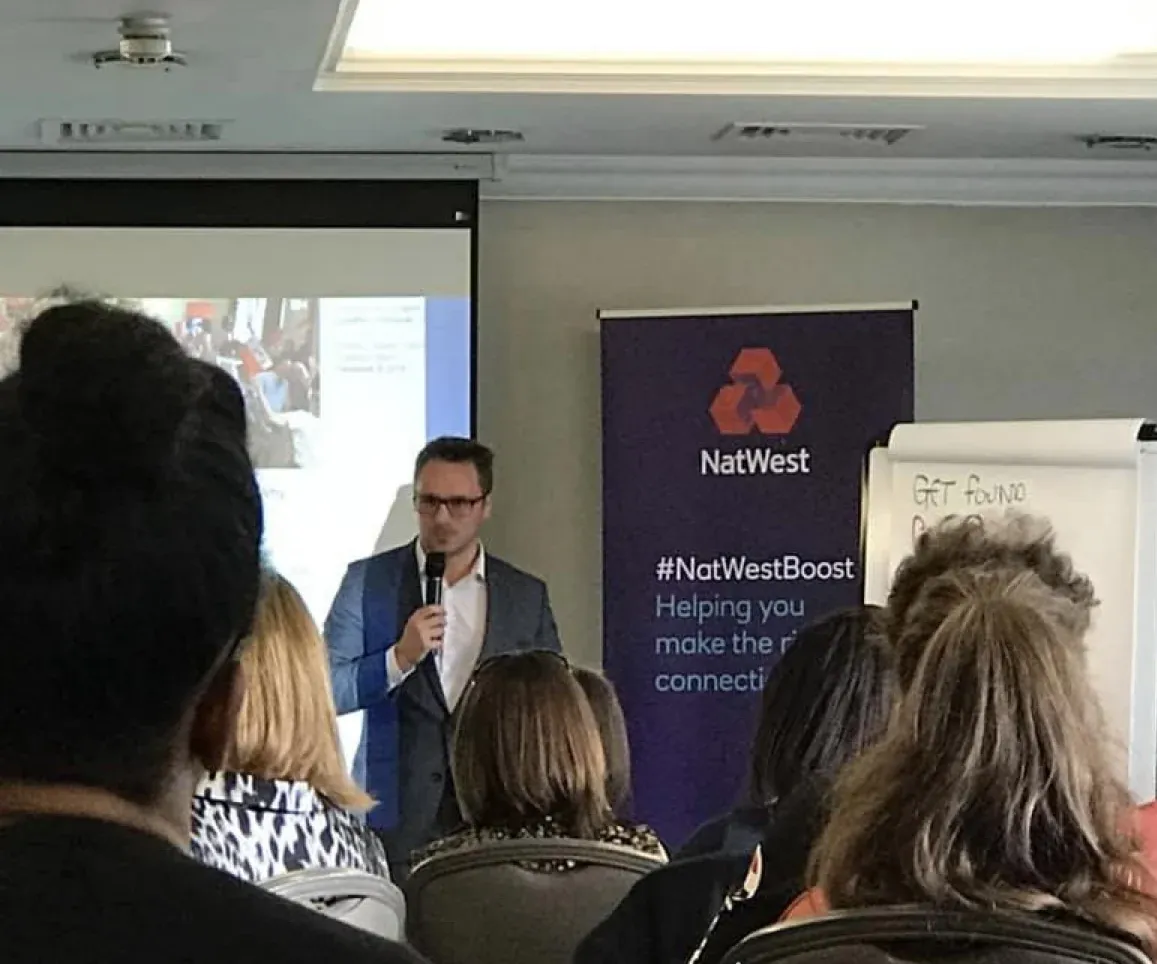
UK business confidence falls before almost every Budget, and for most owner-managed businesses the waiting does more damage than the tax. Uncertainty makes buyers hold off. That was my point on BBC WM on 27 October 2026, the day before the Autumn Budget.
I’m writing this as an owner, not a commentator.
The run-up does more damage than the Budget
In late 2024, the build-up to the Budget meant nobody was pulling the trigger, and 2025 was one of our toughest years even though we did everything right. One of my businesses is a subcontractor in the supply chain, and our salespeople could do everything right and still hear “we can’t tell you when the job starts, because our customer hasn’t decided.”
The independent numbers say the same thing. The Institute of Directors’ confidence index fell from −12 to −38 in September 2024, its lowest since 2022, with members citing concerns over likely tax increases in the coming Budget. A year later it was at −73, and the IoD’s chief economist said businesses were “expecting the worst from the Autumn Budget”.
Why one business waiting makes the next one wait
Research on broaden-and-build (Barbara Fredrickson) shows that fear narrows our choices and confidence widens them. In plain English: when people feel negative, decisions get held up. And it spreads. One company waiting causes another to wait, and the hiring freezes follow.
What to do as an owner when confidence drops
- Don’t make big decisions on rumour.
- Run your numbers on the bad scenario. Then act on what’s actually announced.
- Own the result. As soon as you start passing blame, you lose ownership, and once you’ve lost ownership you can’t run a business.
What I’d ask for, if I had a magic wand
Less shock and more drip-feed. Brief businesses ahead of time, release changes in stages, and explain how to adapt to them. Most owners hear about changes on the news, and an unexpected tax bill can be the difference between paying staff and not paying them.
I’m not here to be anti-government. I don’t blame government for my results. I own them. But better communication would help every business make decisions sooner.
What the Autumn Budget 2026 actually changed
That’s a separate question, and I answer it in Episode 128 of the Mentor Business Podcast, recorded after the speech. This page is about the weeks before.
Where do I fit?
I’m a business coach and mentor in Birmingham, UK, who actually owns businesses. If the waiting has left a decision sitting on your desk, book a virtual coffee: bring the decision, and leave with a straight answer.
Frequently asked questions
Why does UK business confidence fall before a Budget? Because owners and directors expect tax rises and don’t know which ones. The Institute of Directors’ index fell from −12 to −38 in September 2024 ahead of that autumn’s Budget, with members citing likely tax increases, and stood at −73 in October 2025 with businesses “expecting the worst from the Autumn Budget”.
Does uncertainty hurt small businesses more than tax? Often, yes. A known tax can be planned for and priced in. Not knowing stops customers deciding, and that spreads from one business to the next: one company pauses an order, its supplier pauses a hire.
Should I wait until after the Budget to hire or invest? Waiting on rumour is what costs most businesses. Once the measures are confirmed, run the bad scenario through your numbers; if the decision still makes sense, make it.
What would help businesses decide sooner? Less shock and more drip-feed: brief businesses ahead of time, release changes in stages and explain how to adapt. Early, official, staged communication fills the gap before the rumours do.