Community support
Work experience in real businesses
I am passionate about helping people step into success fast, and that starts with getting the right support early.
So I offer work experience inside my businesses to passionate people who want real experience. Each place comes with a one-to-one session with me to talk through your career plans, with someone who has mentored more than 100 businesses and who ACTUALLY owns businesses, in manufacturing, mobility, accountancy, sales and marketing, online learning, investing, mentoring and coaching.
This page is how people get work experience at my companies. It runs through me, not through each business, for two reasons: so I can place each person with the company that suits them best, and so I can look after their experience and follow how they get on.
Applications are open
Why I do this
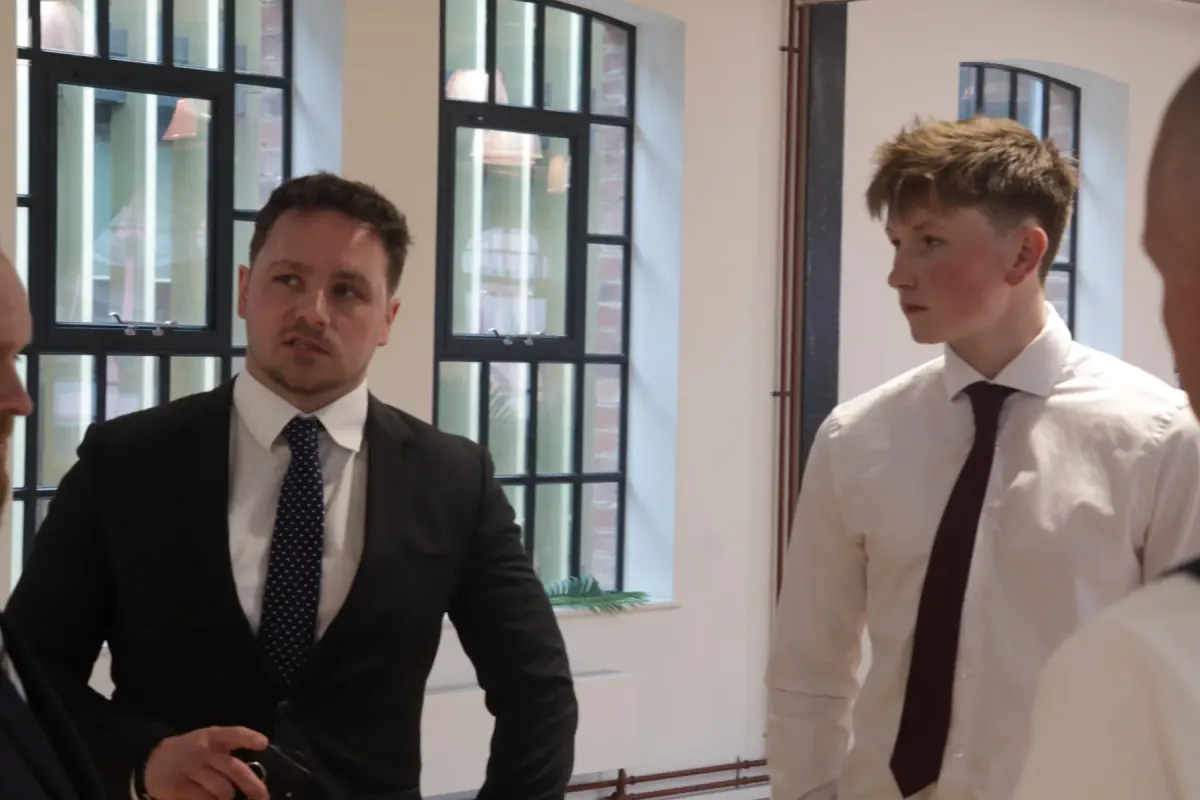
I started out on an apprenticeship
I was a normal young lad from Wolverhampton, and I never thought I would own businesses, let alone become a doctor in business. Neither was in the plan, because there was no plan. What made the difference was the right guidance at the right time.
Nobody learns what work is from a classroom. You learn it by standing in a business while it is running: hearing how people speak to customers, seeing what happens when an order goes wrong, and noticing who gets trusted with more and why. Most young people never get to see that until their first job, and by then they are expected to know it already.
The young people who get an early look inside a business are usually the ones whose parents know somebody. That is not a fair way to hand out a first chance, and it wastes a lot of talent. A teenager with no contacts and plenty of drive should be able to get through the same door as one whose uncle owns the firm.

I am in a position to open a few of those doors. I am a co-owner and shareholder of every company on this page, so when I say a young person can come in, they can. I would rather use that for someone who has shown they want it than leave the place empty.
There is a second reason, and it is a selfish one for anyone who employs people. Every owner I know says the same thing: it is hard to find young people who are ready for work. Complaining about it changes nothing. Showing a few of them what work is really like does.
Apprentice · owner · doctor in business
If I can do it, so can others, with the right guidance.
What I look for
Grades count. Attitude counts more.
Grades count. They show you can learn, concentrate and finish what you start, and you should put them in your letter. But they are not the whole picture, and they are not what decides who gets a place. The things that matter most at work are simpler and harder.
My doctoral research at Aston University looked at how people keep going and succeed in careers where nobody hands them security. The ones who did well were not the ones with the best start. They were the ones with hope, belief in their own ability, resilience and optimism. Those can be built, and work experience is one of the places they get built.
Good grades with a poor attitude will not get a place, and average grades with a great attitude can. The best letters show both. That is why the letter asks you why it should be you, and asks for examples that prove it.
Turn up on time
Every day, without being chased.
Do the dull part properly
A lot of real work is repetitive. It still has to be right.
Ask when you do not understand
Guessing costs a business more than a question does.
Carry on when it is difficult
That is the moment most people stop.
Where you could work
More than ten doors, all real businesses
These are trading businesses with customers, deadlines and wages to pay. Tell me which one you want and why. I read every letter and place each person with the company that fits them best, which is sometimes a different one from the one they asked for.
Raybloc
How something physical gets made, checked and delivered.
Radiation shielding manufacturer · Wolverhampton
ApplyEnhance Mobility Group
How products reach the people who rely on them.
Mobility equipment · Dudley
ApplyPeak Accounts and Management Systems
How the numbers behind every business work.
Accountancy and management systems · Derbyshire
ApplyWillpower Lead Gen
How customers are found and won.
Sales and marketing · Birmingham
ApplyMentorBusiness.com
How an online business is built and kept running.
Online business mentoring
ApplyApex Scientific
How businesses are bought into, mentored and grown.
Business investment, coaching and mentoring (lewishaydon.com)
ApplySelected client businesses
A range of sectors, matched to what you want to see.
Owner-led companies I work with
Apply
Dr Lewis Haydon is a co-owner and shareholder of each company.
What you will actually do
Real work, not a chair in the corner
01
Do the job
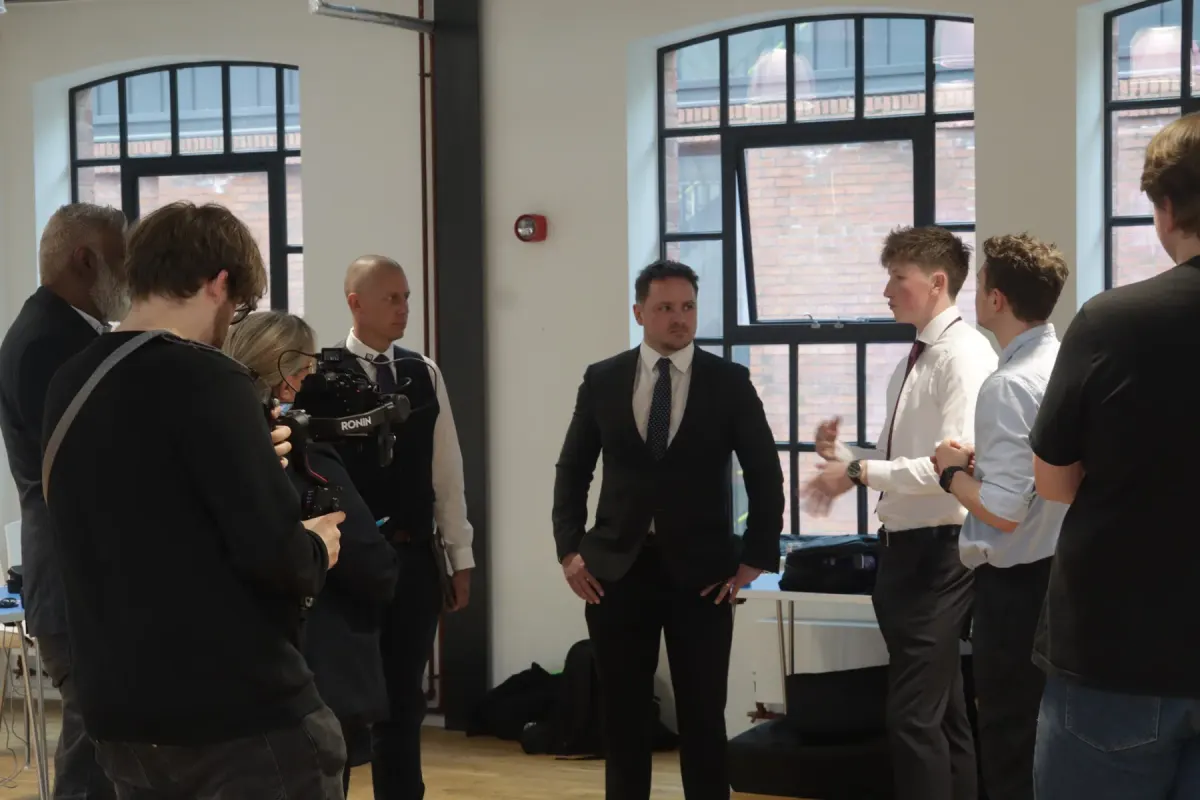
You sit alongside the people who do it, get shown how, then do part of it yourself. Some of it will be interesting. Some will be repetitive, because a lot of real work is. Both are worth seeing.
02
Behave as if you work there
On time, phone away, asking questions. By the end you should be able to explain what the business sells, who buys it, how it makes money and what one person’s day in it looks like.
03
A one-to-one session with me
We talk about what you want to do, what you saw in the business, and what your next step should be. Bring questions. It is your career plan we are working on, not mine.
04
I stay involved
Your placement is arranged through me, so I know where you are and who is looking after you. I check how it is going with you and with the business, and I follow how you get on afterwards.
05
What you leave with
Something true to put on a CV, someone who can vouch for you, a plan from our session, and a much clearer idea of what you do and do not want to do next.
Work experience is unpaid and it is short. It is not a job offer and it does not lead to one automatically.
How to apply
Write me a letter. By hand. Then post it.
Anyone can send an email in thirty seconds. Writing a letter by hand, finding an envelope and a stamp, and walking to a post box takes effort. That effort is the first thing I am looking for, and the letter shows it before I have read a word.
It has to be handwritten because it has to be yours. A typed letter can be written by an AI tool in seconds, and then I learn nothing about you. I am not marking your handwriting or your spelling. I am reading for what you think, in your own words. If a disability means you cannot write by hand, type it and say so in your first line.
It also keeps this fair and manageable. I open and read the letters myself. I cannot do that for hundreds of emails, and I would not want a system where the fastest typist wins.
Post your letter to
Work Experience
Dr Lewis Haydon
32 Bilston Lane
Willenhall
WV13 2QD
United Kingdom
Your letter
Seven headings, in this order
Who you are
Your name, age, town, and your school or college, or what you are doing now, with your grades or predicted grades. Add a phone number or email. If you are under 18, add a parent or guardian’s name and number.
Which business, and why that one
Pick one from the list. Say what it does in your own words, and why you chose it over the others.
What you want to learn
Two or three specific things. Not “about business”.
Why you
Say why you should get the place. Then prove it with two examples of times you showed the right attitude: turning up when it was hard, finishing something dull properly, or putting something right after you got it wrong. A job, a sport, caring for someone, a project. Say what you did, not how you felt.
One idea for the business
Look at its website or social media and suggest one thing you would improve, and why. It does not have to be right. It has to show you thought about it.
When you are available
The dates you can do, and how you would get there.
Someone who will vouch for you
A teacher, coach or employer, with their contact details.
Headings two, four and five are the ones that decide most letters. Two and five cannot be answered without spending twenty minutes finding out about the business first. Four cannot be answered without real examples. That is the point.
The rules
Four rules
Rule 1
Handwritten
By you, in pen, on two to three sides of lined A4 paper, and signed. Typed or printed letters are not read.
Rule 2
Posted
Emails and messages about work experience are not read.
Rule 3
All seven headings
Letters that skip a heading are not considered.
Rule 4
Places are limited
Not every letter leads to a place.
I open and read every letter myself. Your details are only used to arrange work experience.
If you do not get a place
Keep the letter
Most letters will not lead to a place, because there are only a few each year. That is not a judgement on you. With the business name changed and headings two and five rewritten for the new business, it is a better approach than most employers ever receive, and you can post it to any business near you. Owners remember the young person who wrote to them properly.
For parents, carers and teachers
It has to be their own work
Please do not write the letter for them. Help them choose a business, read it through, and make sure a parent or guardian’s contact details are on it if they are under 18.
If a place is offered, the business will contact the parent or guardian, or the school or college, before anything is arranged. Placements are matched to the young person’s age and to what is safe and suitable in that business.